
Park Slope
Why Park Slope?
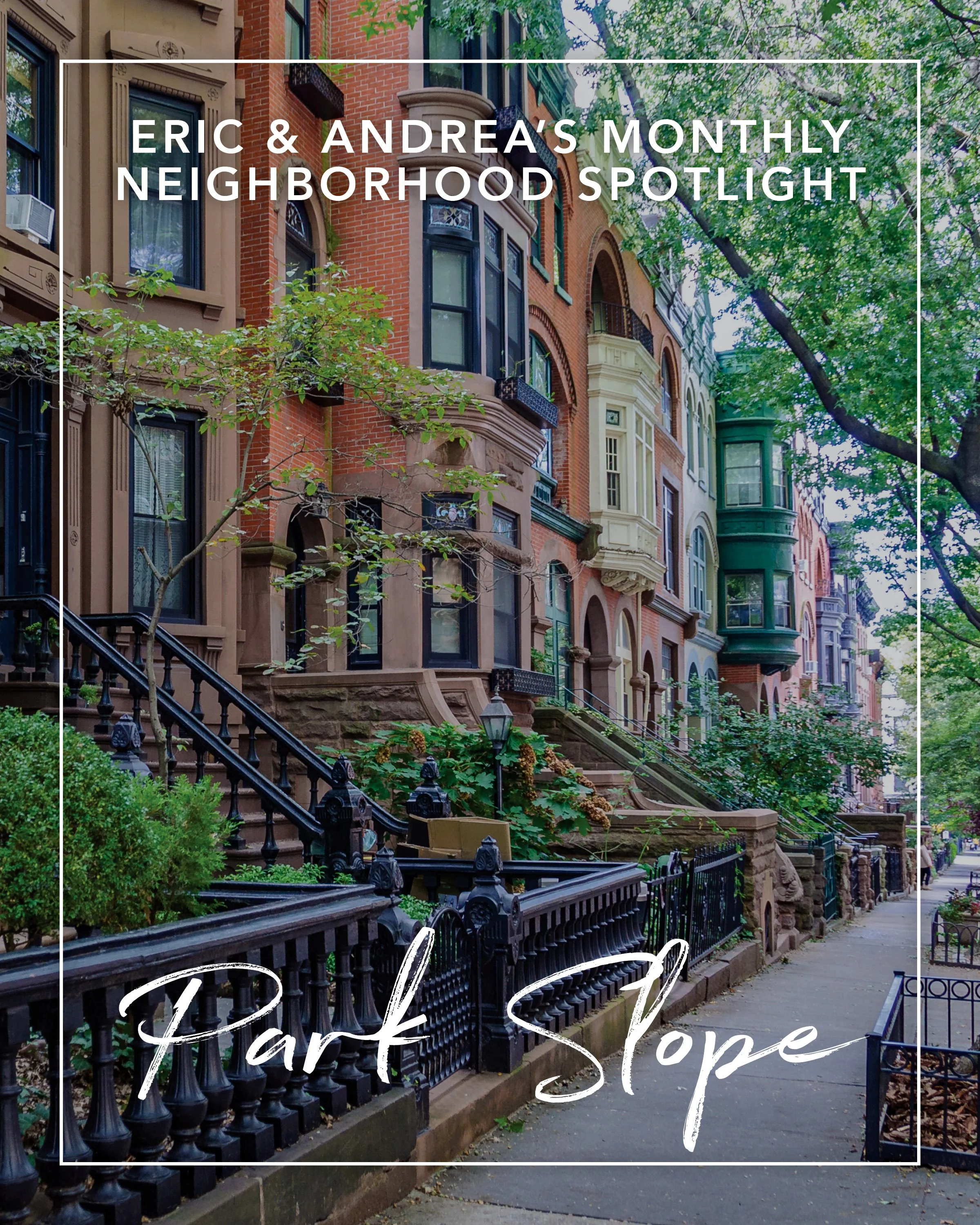
Park Slope captures Brooklyn at its best. Anchored by the 526-acre Prospect Park (designed by the same architects as Central Park) the neighborhood pairs historic brownstones and tree-lined streets with two lively commercial corridors along Fifth and Seventh Avenues, where cafes, restaurants, and boutiques draw creatives, families, and visitors alike. Strong schools and a tight-knit community make it a favorite for families, while spots like Union Hall, with its bocce court and live music, keep the nights inviting.
The real estate market stays highly desirable, with demand for historic brownstones, co-ops, and boutique condos supporting strong valuations. Whether you're laying down roots or just visiting for the day, Park Slope is always a good call.
Where is Park Slope?
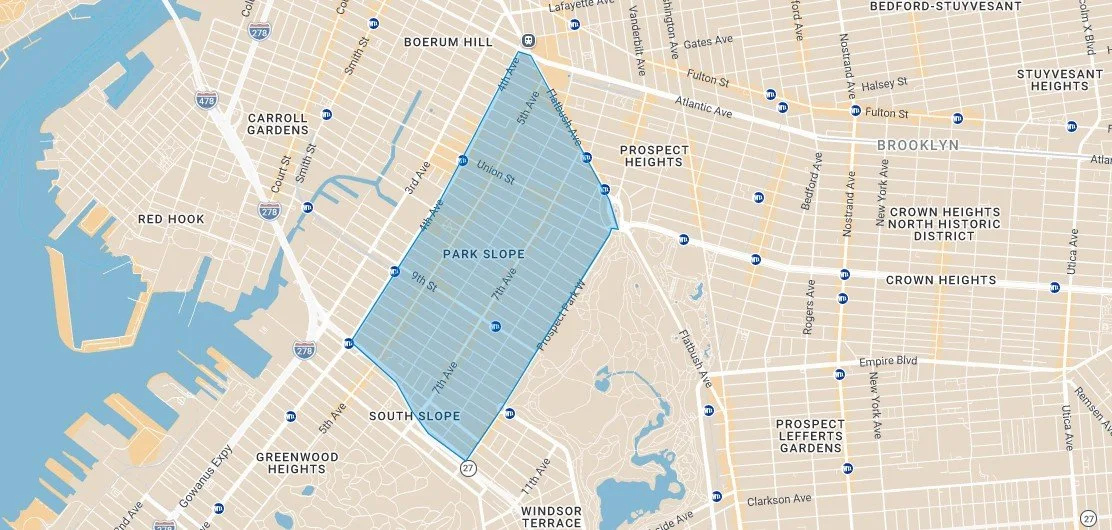
Park Slope gets its namesake from the incline rising from Fourth Avenue up toward the park. It's bounded by Prospect Park to the east, Gowanus to the west, Prospect Heights to the north, and Windsor Terrace to the south. Transit is convenient, with the F and G lines along Seventh Avenue, the R along Fourth Avenue, and the 2/3 at Grand Army Plaza offering quick rides into Manhattan.
Our Recommendations
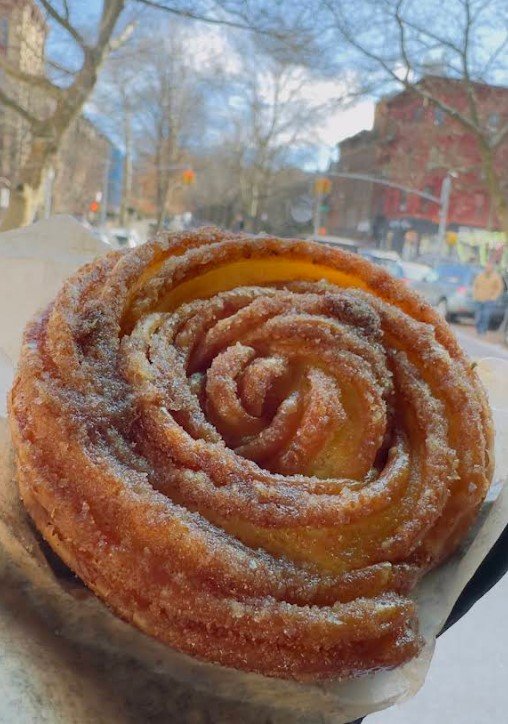
Vato

Pangat
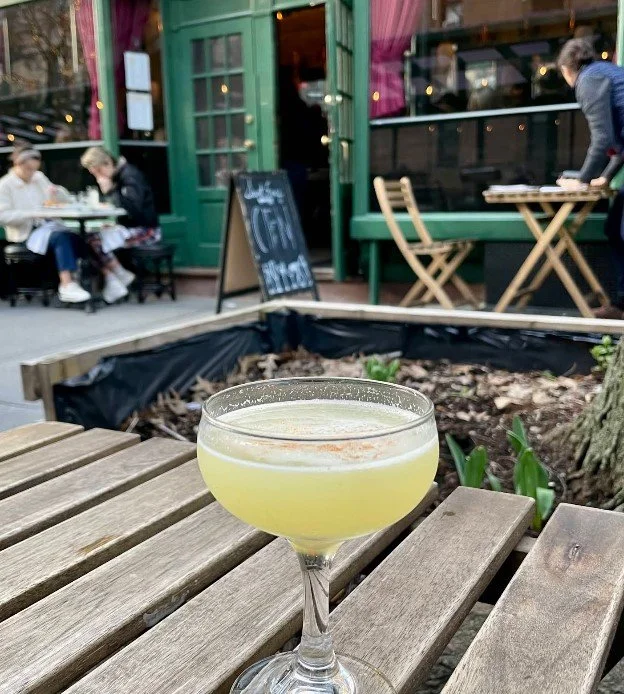
Saint Eves Cocktail Bar
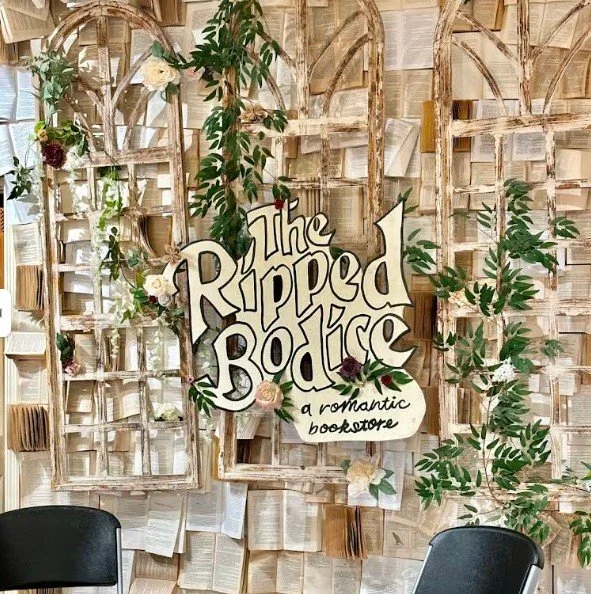
The Ripped Bodice

Il Leone
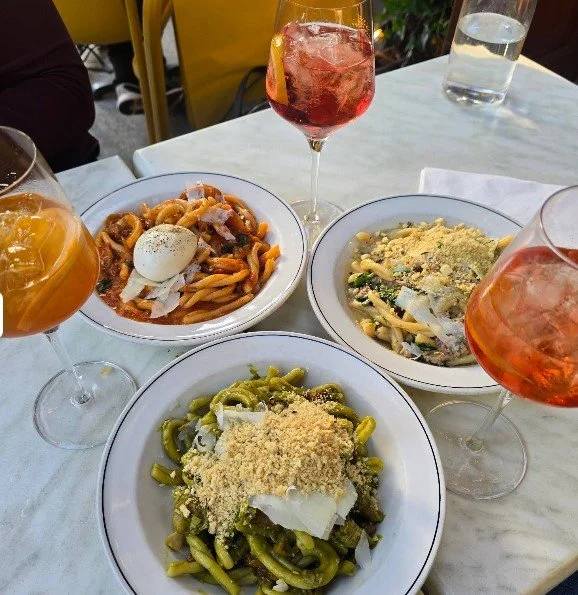
Pasta Louise
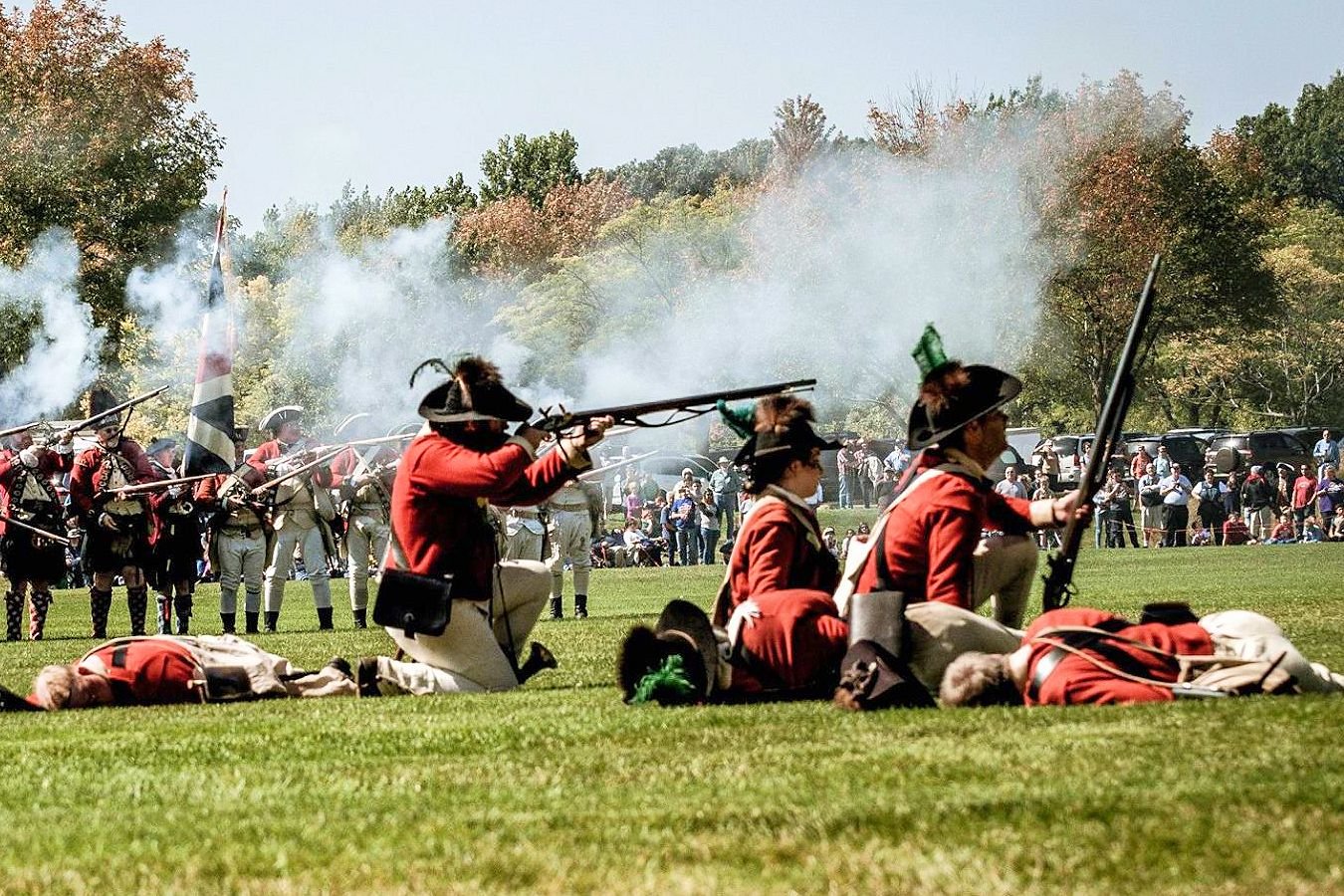
Join Prospect Park Alliance, the Old Stone House of Brooklyn and the Brigade of the American Revolution to commemorate the 250th Anniversary of the Battle of Brooklyn, the largest battle of the American War for Independence. Enjoy a FREE re-enactment of the historic Battle of Brooklyn, following the footsteps of the soldiers who fought in this historic military event, from the Long Meadow in Prospect Park down 3rd Street to the Old Stone House.
Saturday, August 22nd from 10AM-12PM
Prospect Park Long Meadow
Did you know...
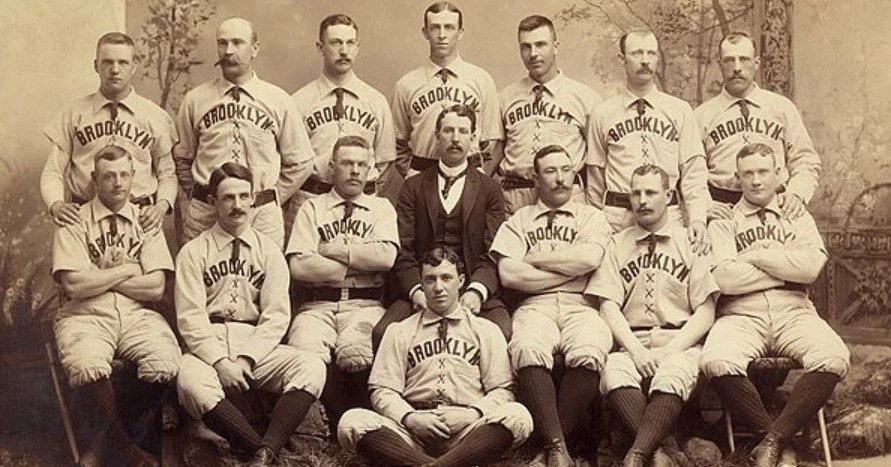
Did you know the Brooklyn Dodgers got their start here? Before Ebbets Field, the team played at Washington Park in Park Slope. The ballpark on Fifth Avenue served as the team's home in its earliest incarnations, and the Old Stone House even functioned as the clubhouse for the ballclub that would become the Dodgers and their move to LA.
Buying a Co-op in Park Slope: What to Expect From the Approval Process
Park Slope co-ops offer a wide range of homes, from classic apartments in historic buildings to larger residences suited to growing households. For many buyers, the approval process is one of the least familiar parts of purchasing. It is manageable with good guidance and a clear understanding of what comes next.
Understand How Co-op Purchases Differ
Buying a co-op is not exactly the same as purchasing a condo. The building has an approval process that buyers complete after a contract is signed. Requirements and timing can vary, so broad assumptions are not always helpful. We guide buyers through the process step by step as their search becomes more focused.
Find the Right Apartment First
Before worrying about paperwork, think about how the home will work for you. Layout, light, storage, stairs, and access to the park may all influence your choice. Monthly maintenance also matters when comparing options. We help buyers balance the emotional appeal of a home with its practical value.
Prepare With the Right Team
A co-op purchase involves coordination among the buyer, agent, attorney, lender, and building representatives. Clear communication helps the process feel more organized. You do not need to know every document or deadline in advance. We help manage the moving pieces and explain what to expect at each stage.
Frequently asked questions
How much do homes cost in Park Slope?
Park Slope's median sale price was $1,782,500 across 132 sales of all home types from July through September 2026, according to REBNY Listing Service data. Co-ops generally cost less than condos: Brooklyn-wide, the resale co-op median was $720,000 and the resale condo median was $1,389,000 in the same quarter.
How long does co-op board approval take in Park Slope?
NYC Local Law 58 of 2026 requires a co-op with 10 or more units to acknowledge a purchase application within 15 days and to approve, condition or deny it within 45 days of a complete application, with one 14-day extension allowed. It applies to applications submitted on or after July 28, 2026, and boards can still turn a buyer down.
Is Park Slope a historic district?
Parts of it are. The LPC designated the Park Slope Historic District on July 17, 1973 and later added the Park Slope Extension (April 17, 2012) and a second expansion (April 12, 2016). Check an address on the LPC map before you plan exterior work.
What is a flip tax?
A flip tax is a fee some co-ops charge when an apartment is sold. Each building sets its own amount and rules, and it is often paid by the seller. Ask for it in writing before you make an offer.
If you're selling
Park Slope co-op sellers: your buyer's board package now runs on a clock. Under Local Law 58, a covered co-op must decide within 45 days of a complete application, and you should ask your managing agent for the building's application checklist and flip tax before listing. Sellers customarily pay NYC transfer tax of 1.425% of the price on sales above $500,000, plus New York State's 0.4%. Park Slope's median price was $1,782,500 in the third quarter of 2026, and we will help you position yours against recent comparable sales.